In my recent book, I declare that Australia is best described as one indissoluble federal Commonwealth under the Crown, with an indigenous heritage, a British foundation, and an immigrant character – and that’s because modern Australia was built by pioneers from the British Isles and strengthened by subsequent waves of migration. But the fact that settlement and migration has produced modern Australia, doesn’t mean that we should take everyone from anywhere, all the time. That’s why my government stopped the boats, because a country that loses control of its borders is at risk of succumbing to peaceful invasion.
Yet while illegal migration to Australia has been under control since 2013, that’s far from true of legal migration. In the first three years of the Albanese government, legal migration was at an all time record, averaging some 400,000 a year. That’s a city the size of Canberra, every year. Net Overseas Migration (that’s the numbers coming for more than 12 months, less the numbers leaving), is not being run by the elected and accountable government. It’s largely determined by language schools and universities selling work rights and residency rather than education; and by businesses that prefer foreign workers to paying and training locals for the jobs Australians won’t do.
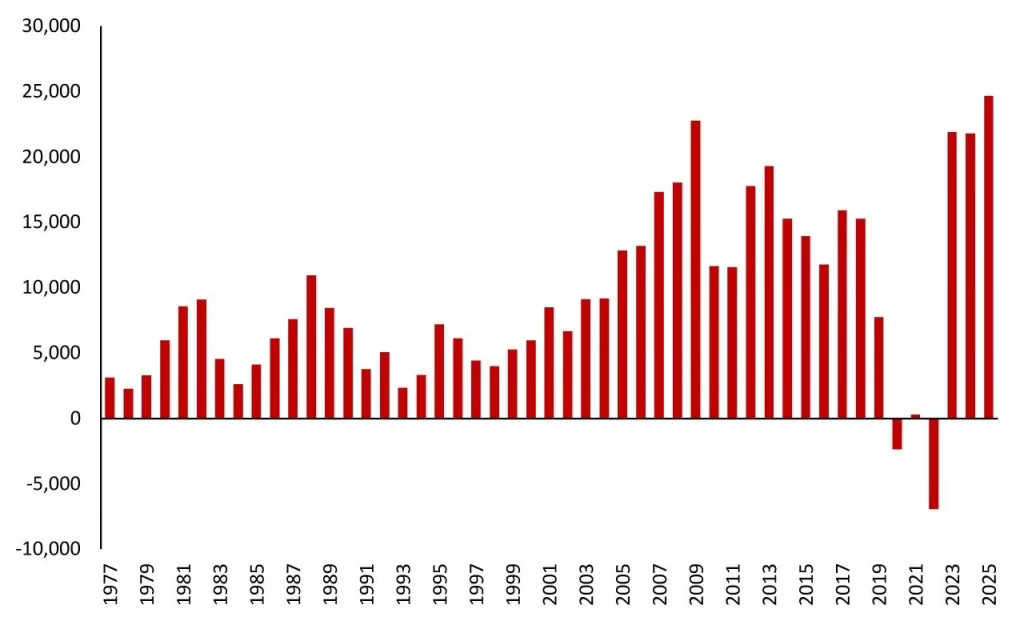
The numbers are huge. About 2.5 million people, or about 10% of our total population, are temporary residents. There’s nearly a million people on student visas. There’s over half a million on temporary work visas. And there’s well over 100,000 on bridging visas, appealing against deportation.
Now, I’m not saying they’re not making a contribution to Australia. Of course they are. They’re carers, waiters, cleaners, drivers, and pickers. But is that really what’s best for our country: an economy dependent on temporary residents, and a society where a significant minority have made no formal commitment to Australia? This is especially worrying when you add in the fact that every person coming here needs something to do, somewhere to live, and a way to get about. At current numbers, that means downward pressure on wages, upward pressure on housing costs, and severe strain on infrastructure.
Immigration, like energy, is the economy. If it’s well-targeted to genuine skills, it makes us stronger as a nation. If not, the overall economy might grow, but wealth per person actually declines. However, unlike energy, immigration is our society too. If immigrants share our values, and want to join Team Australia, our country grows stronger. But if they just want to live in Hotel Australia and take advantage of the facilities, our country becomes more fragmented and more divided.
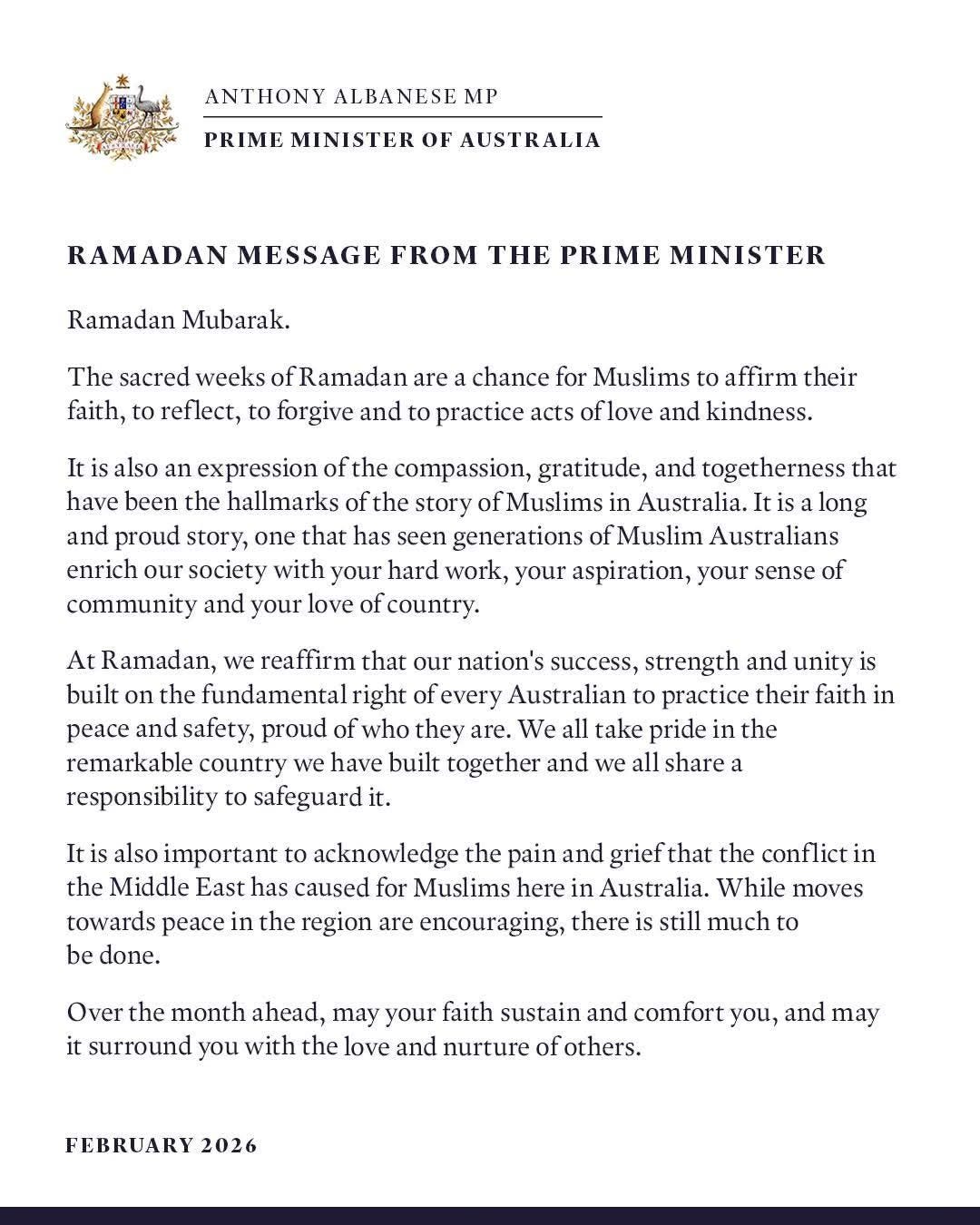
For many years, migrants to Australia were expected to integrate from day one and to assimilate as soon as possible. But lately, under the doctrine of multiculturalism, migrants have been encouraged to keep their culture. Indeed, the old view, that migrants should be grateful for gaining a better life in Australia, has been replaced by the view that Australians should be grateful that migrants have given us a more diverse society. It’s no surprise that the Prime Minister issued a statement welcoming the start of Ramadan this week; but not one for the start of Lent. These days, official Australia celebrates every culture but our own.