

Perhaps because it’s a small country that can’t think about just itself, Hungary excels in hosting big picture discussion. And what could be bigger than population policy, and whether replacing-with-migrants, the babies the-West-won’t-have, is a form of civilisational suicide?
‘I used to think that the West could endure, in a way that no previous civilisation had, because of its readiness to learn from others and to absorb the best of the rest. Yet in recent decades, that capacity for self-criticism has metastasised into a form of self-loathing’
Plainly, these are disordered times.
People-who-should-know-better think that humans can change the planet’s temperature, much like Canute’s courtiers thought he could order the tides. Parliaments declare that gender is whatever someone says it is, even for minors. A couple of years back, world leaders, even the pope, took policy advice from a disturbed teenager. Perhaps the weirdest manifestation of this cognitive dissonance is “Queers for Palestine”, passionate in their support of a place where they’d be at risk of a push from tall buildings.
It was Chesterton who wrote, “the disintegration of rational society started in the drift from the hearth and the family”. The solution, he said, “must be a drift back”.
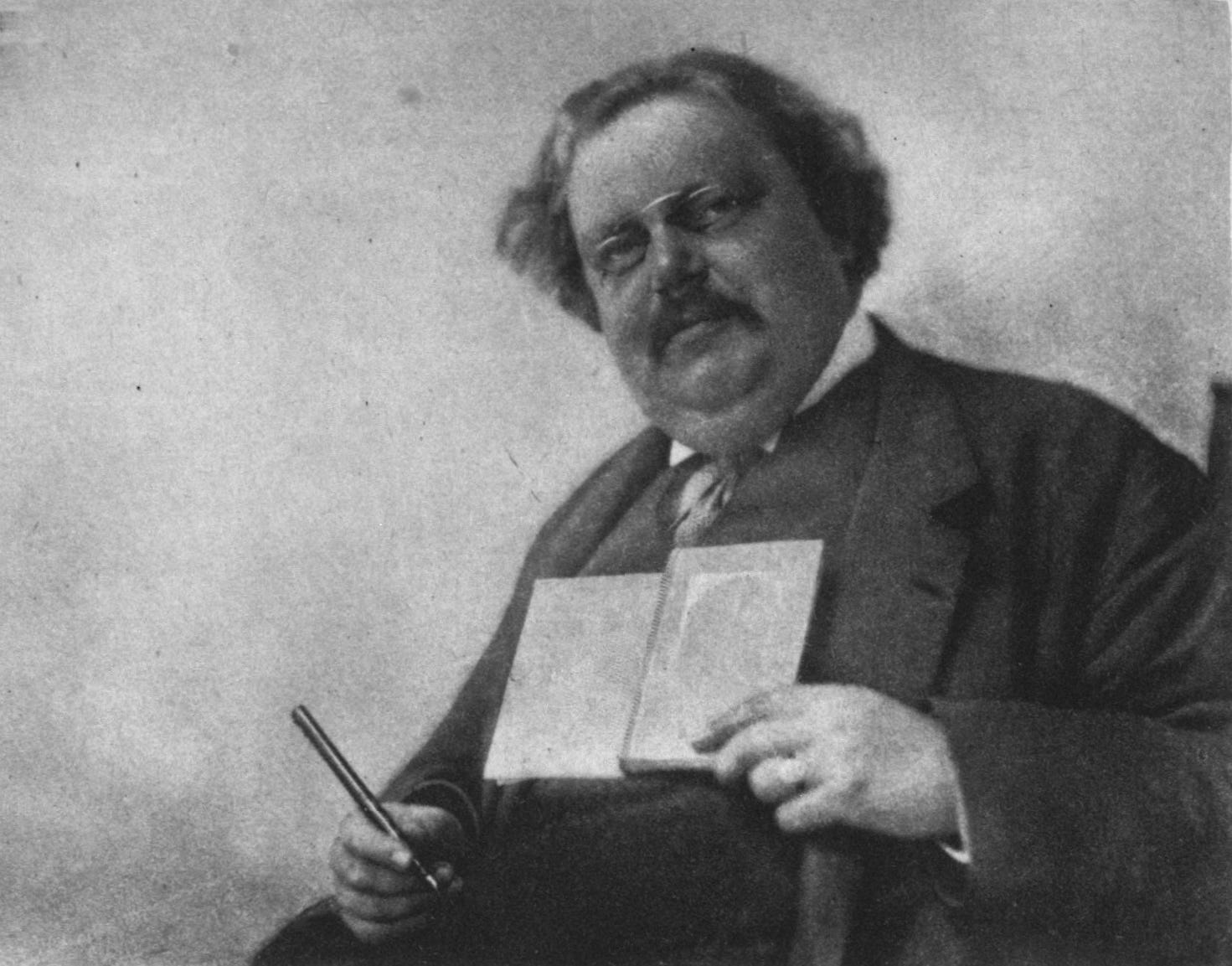
The modern world, tends to overlook that every person’s first source of nourishment and support, the first foundation for meaning amidst chaos, is the family.
Especially today, families come in all shapes and sizes, and unconventional families need be no less loving. But whatever their make up, they need to be strong, for society’s sake, because family is where the instincts of support and solidarity that nations need are first learnt. It’s the experience of family that feeds Burke’s key insight, of society, as a “partnership, between those who are living, those who are dead, and those who are yet to be born”.
In this chain of existence, it’s our children that are the culmination.
Yet if, indeed, the greatest act of faith in yourself, your family, your country, and your culture is to seek renewal through having children, every Western country is in the grip of existential crisis.
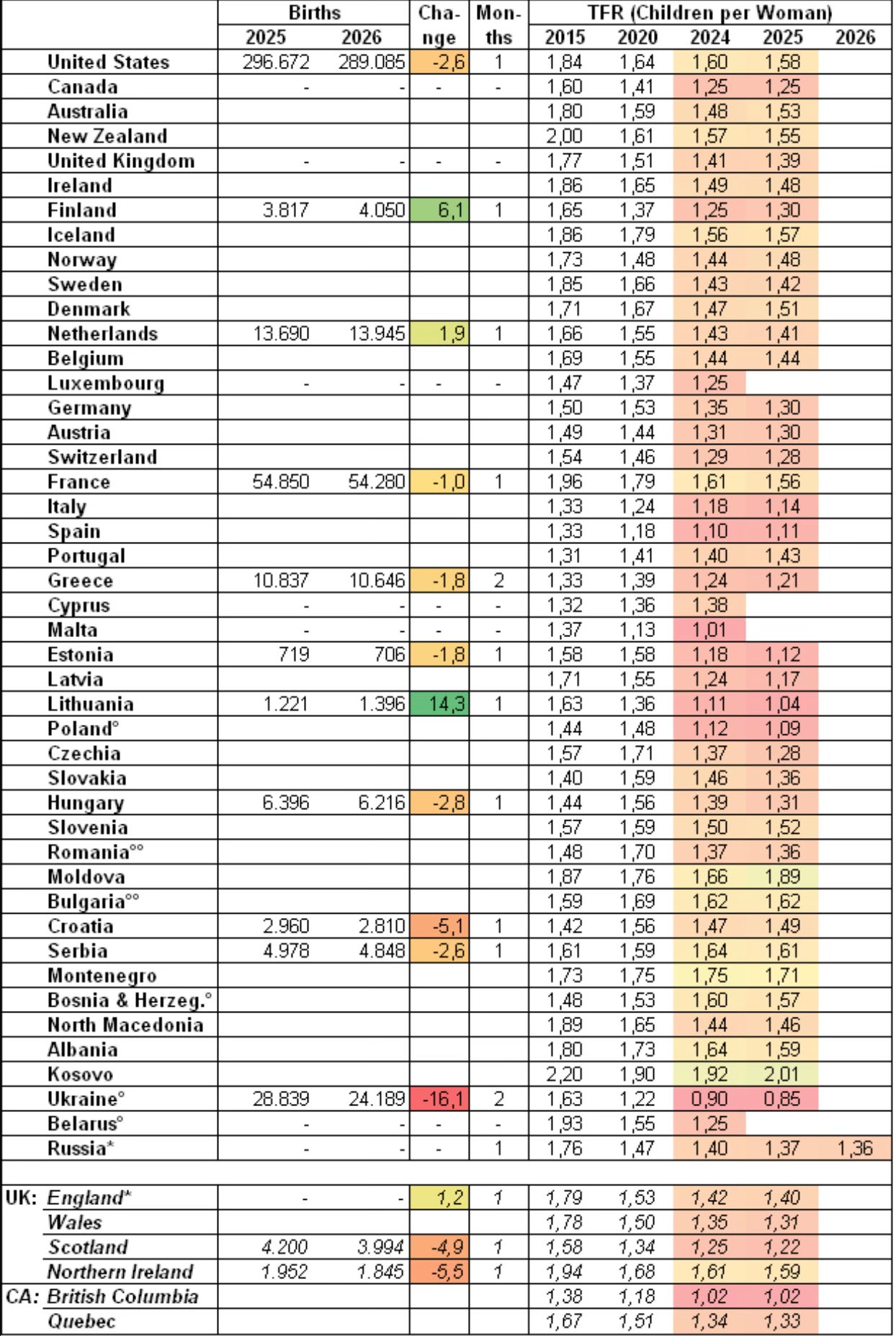
Consider current birth rates: France, the US, and Australia, roughly 1.6; and Britain, 1.39. Then there’s Italy at 1.2 and Spain at 1.1. Hungary’s birth rate, that was just 1.2 in 2011, rose to 1.6 after a decade of pro-natalist policy, such as exempting larger families from tax, but has now fallen back to just 1.3, suggesting that it’s societal morale, as much as economics, behind individuals’ instinct to reproduce themselves.
Throughout the West, receiving migrants has replaced having children.
Britain, for instance, had virtually no net migration prior to 1990. In the nineties it averaged about 100,000 a year; in the noughties about 200,000 a year; in the 2010s about 300,000 a year; and in 2022 and 2023 it exploded to almost a million a year, before falling back.
Migration to the US, much of it irregular, has averaged about a million a year since the 1990s, but exploded during the Biden presidency when perhaps 10 million people are thought to have entered the country, mostly illegally from Mexico.
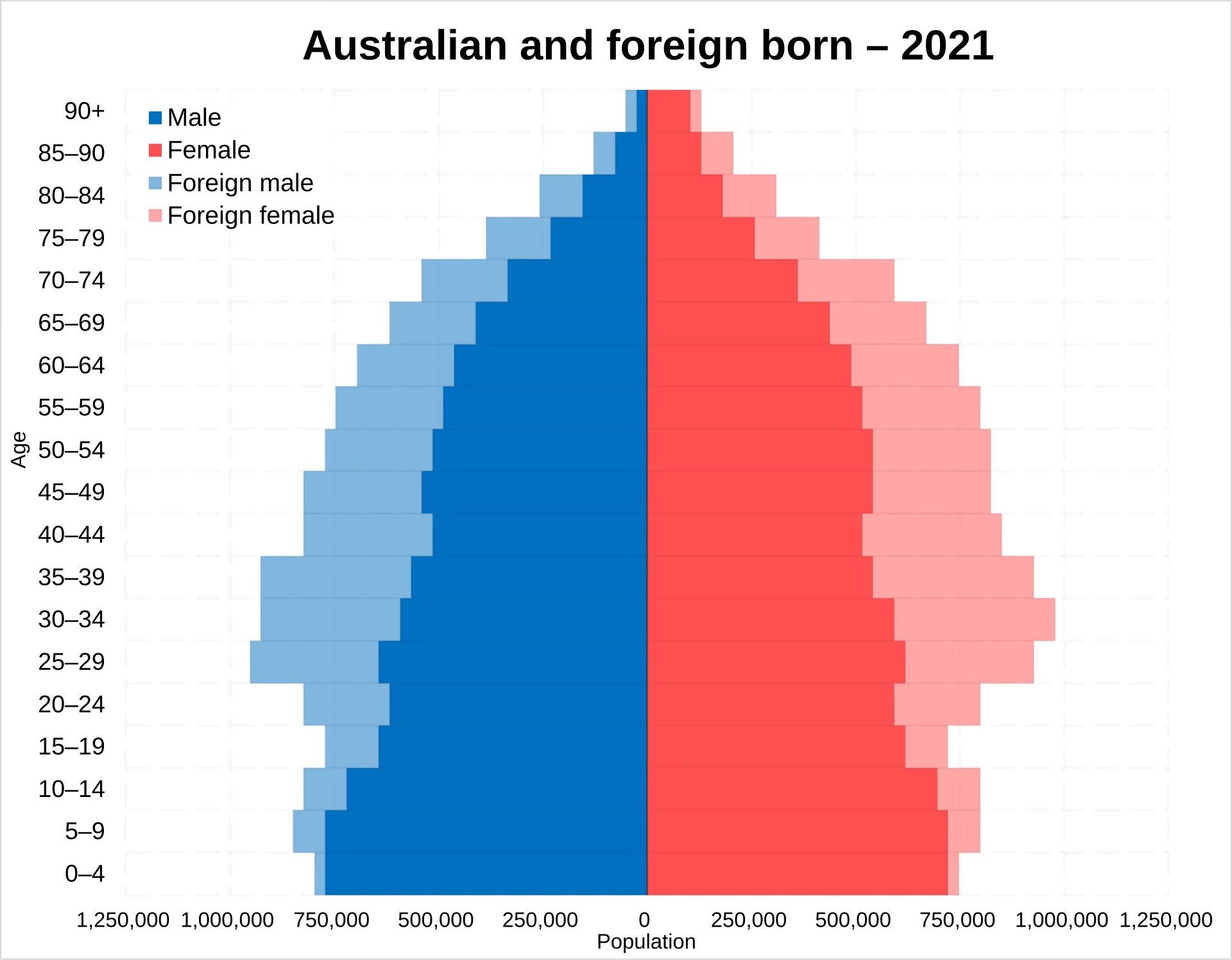
Even Australia, that’s long-had a formal immigration programme, running at about 100,000 a year from the 1950s through to the early noughties, and about 200,000 a year till the pandemic, has since seen numbers explode to about 400,000 a year.
There are many good arguments for migration. Certainly, in all the settler societies, there’d be no nation but for migration. Migration can bring in new skills. It can open our minds to new ideas and ease our fear of difference. And by giving newcomers the chance to make a better life for themselves and their families, it can add a humanitarian dimension to a nation’s story.
The supreme patriotism of people from obvious migrant backgrounds, such as the two last British Conservative leaders Rishi Sunak and Kemi Badenoch, testifies to the gravitational pull of English-speaking civilisation.
But these days, the main justifications for immigration are that it’s needed to sustain an ageing population; and to fill the jobs that locals won’t do, or at least, not at current wage rates. Plus, in countries like Australia, Canada and Britain, that it builds multicultural diversity, even though this risks creating “a nation of tribes” and watering down national identity.
And there are two further factors in modern migration.
Cheap air travel and the internet mean that it’s possible more-or-less to live in two countries at once, mainly resident in the new country, but frequently in the old one too, to build a house for the extended family, or to maintain business contacts. Rather than joining Team Australia, for instance, some recent migrants are merely living in Hotel Australia and taking advantage of the facilities.
Then there’s Muslim migration.