

With the Russian dictator’s assault on Ukraine now in its fifth year; with the commissars in Beijing intensifying their grey zone attacks on practically independent Taiwan and 2028 looking like the year of peak danger; and with the theocrats in Tehran still in power and still dead set on getting a nuclear weapon they’d undoubtedly use, whether or not the world warms a degree or two, a few decades hence, is hardly the worst of our worries.
Yet this past fortnight, it’s been a key global focus. And even accepting that there’s but one planet that needs preserving, the climate COP in Turkey rather echoes the Byzantine debate about angels sitting on the head of a pin, while the Ottomans laid siege to their city.
At least here in Japan, a serious country that understands the interrelationship of energy security with economic security and national security, nuclear power is now being restored as a critical element in national strength.
Think of life in the early 1800s. Farms were worked by men and oxen. Manufacturing was mostly by individual artisans. Land transport was by foot or horse. Sea travel was by sail. Lighting was by candle and heating was by fire, usually wood.
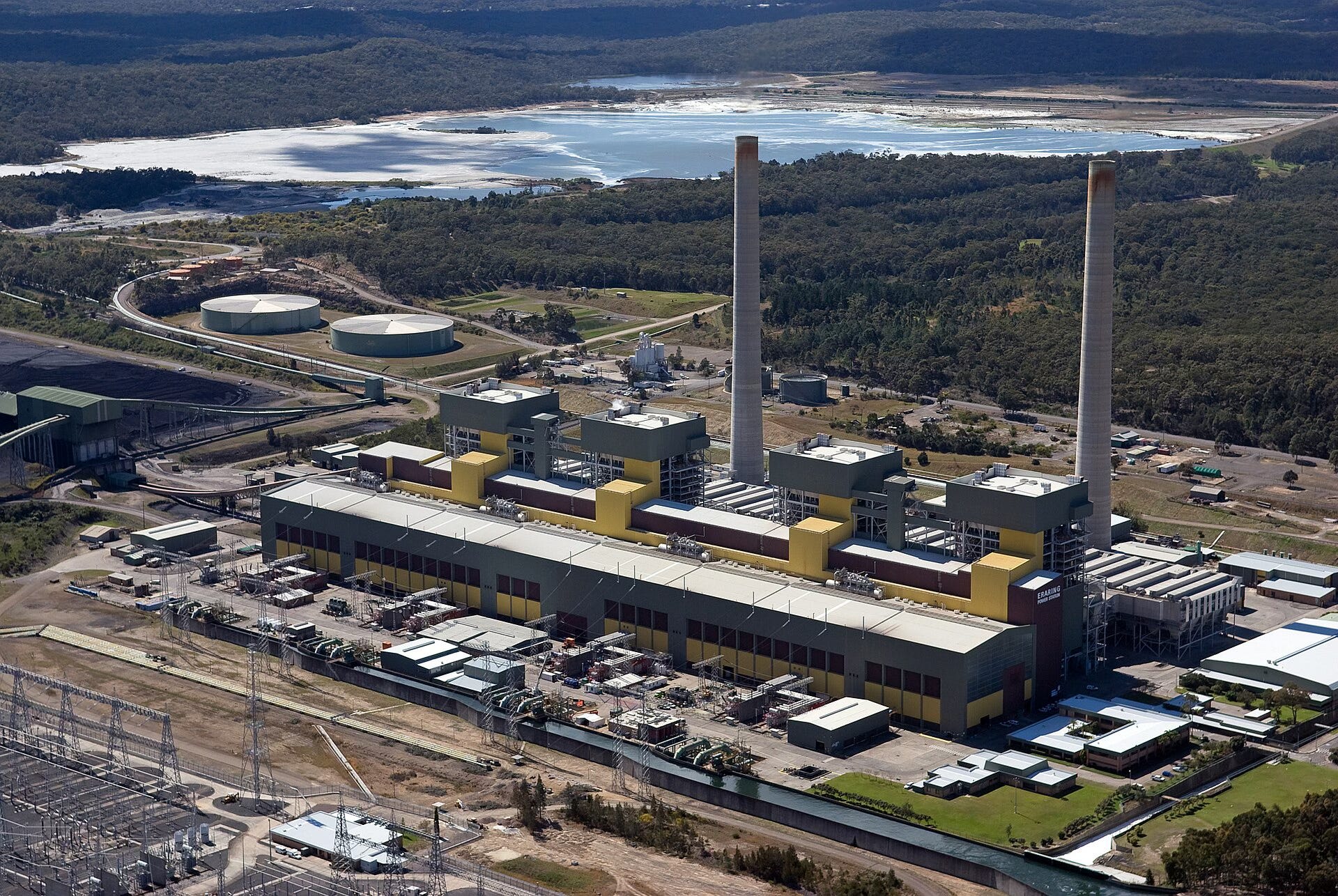
The near miraculous difference between now and then is the energy abundance largely provided by fossil fuels: the oil that powered our transport; the coal that generated our electricity; and the gas that’s the feedstock for so many of our industrial processes.
In 2000, says the International Energy Agency, 81 per cent of the world’s total energy use came from fossil fuels. Just 10 per cent in 2000 came from biomass (or wood), along with 7 per cent from nuclear, 2 per cent from hydro and just 1 per cent from wind, solar and geothermal.
What’s changed since?
Well, starting about a quarter century back, driven by concerns about the impact of fossil fuels’ carbon dioxide emissions on climate, much of the world has been set on a transition towards supposedly clean and cheap renewable power.
The UN’s Intergovernmental Panel on Climate Change has linked dangerous global warming to increased carbon dioxide concentrations from about 300 to over 400 parts per million over the past century or so.
One Australian prime minister even declared that combatting climate change is no less than the great “moral challenge” of our time.

Leaders from the Pope down listened gravely to the then-16-year-old Greta Thunberg’s claim that fossil fuel use would ruin her future.
The latest Conference of the Parties, COP 31, has just assembled tens of thousands of officials, thought leaders, renewable energy entrepreneurs, activists, and government leaders to demand more climate action and more climate funding before it’s “too late” to avoid catastrophe.
Yet after a quarter century of climate action, including the spending of literally trillions of dollars in government and consumer subsidies to drive the take up of renewable power, 80 per cent of global energy still comes from fossil fuels.
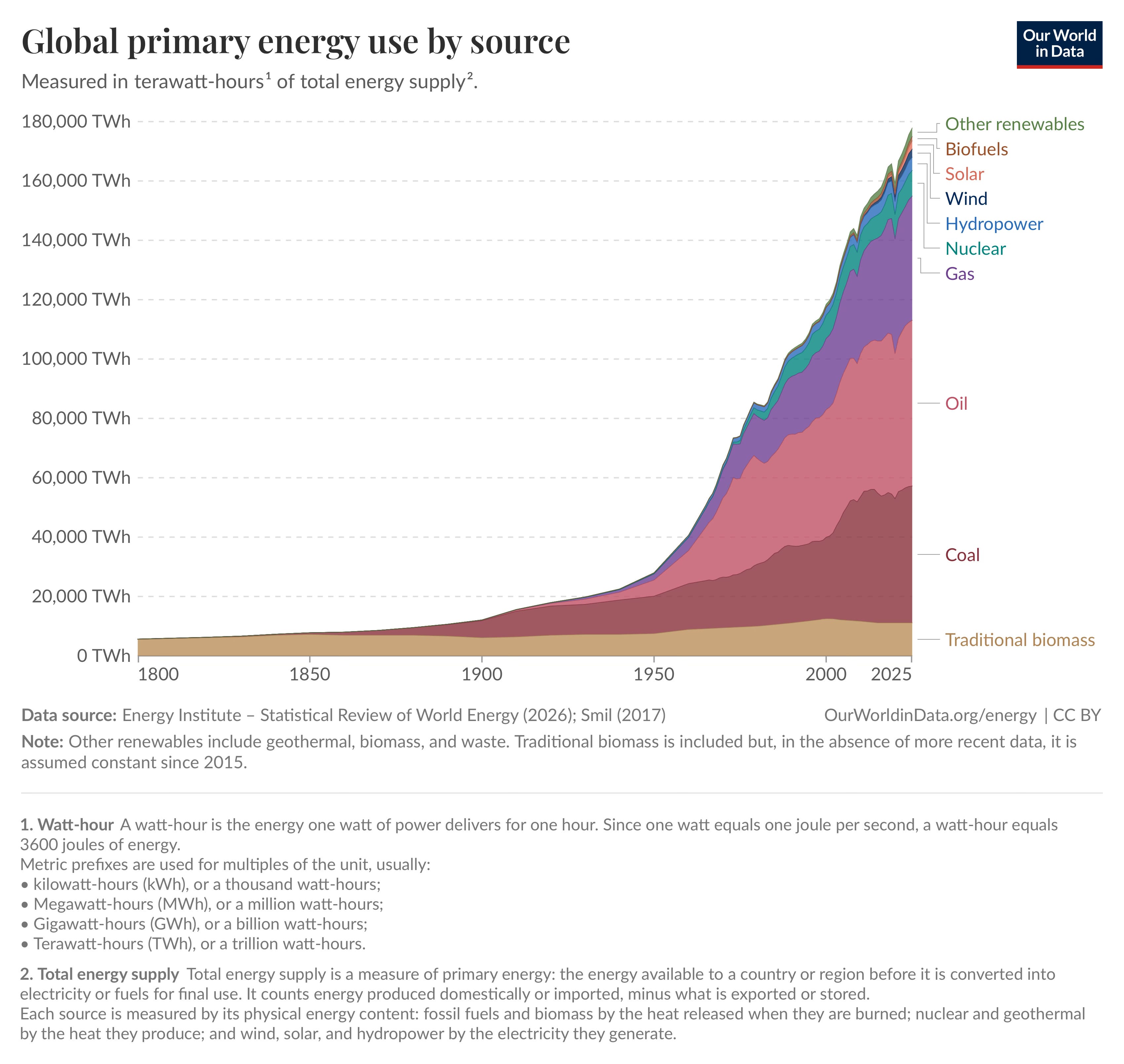
While renewable energy has risen from 10 to 15 per cent of total supply, due to the vast expansion of wind and solar power, total energy consumption has increased by almost 60 per cent and the world still largely runs on coal, gas and oil.
Meanwhile, despite a growth in global emissions from 23 to 38 billion tonnes a year and despite atmospheric CO2 concentrations rising from 369 to 425 parts per million, the incidence of hurricanes has actually decreased since the 1990s while per capita global food production has increased by about 30 per cent.
As the US Energy Secretary has remarked, there is no climate crisis and there is no energy transition.
There is, though, one big difference, and that’s the skyrocketing cost of electricity in those countries that have tried hardest to replace fossil fuels with renewables.
The current Australian government likes to declare that the wind and the sun don’t send a bill—and that’s true; but the makers and installers of the turbines, panels and batteries needed to harvest this energy certainly send a bill; and the new transmission lines, plus the back-up needed, when the wind doesn’t blow and the sun doesn’t shine—they certainly aren’t free.
Since 2010, on the east coast of Australia, the percentage of electricity generated by renewables has increased from 10 to 43 per cent, while average household bills have doubled.
In Germany, which gets 57 per cent of its electricity from renewables, household electricity costs 41 cents per kilowatt hour; in the UK, which gets 52 per cent from renewables, it’s 40 cents; and in the US, with just 24 per cent from renewables, it’s just 19 cents per kilowatt hour.
Energy costs are not the only input to economic dynamism; even so, it’s hardly surprising that since 2000, when the energy transition started, in purchasing power terms and adjusted for inflation, GDP per capita has increased about 40 per cent in the United States, while wealth per person is up only about 20 per cent in Germany and the UK.
Again, many factors influence manufacturing as a percentage of a country’s economy, but it’s not really surprising that the biggest fall by far has been in the more renewables-dependent UK and Australia where, according to World Bank data, manufacturing has roughly halved since 2000.
Right now in Australia, largely due to much higher wholesale electricity costs as coal-fired power gives way to renewables, all our previously profitable heavy industrial plants—steel making, aluminium smelting, copper smelting, plus lead and zinc smelting that relied on cheap electricity—have only stayed open with multi-billion dollar government subsidies.
You can see where all this is leading, can’t you?
