

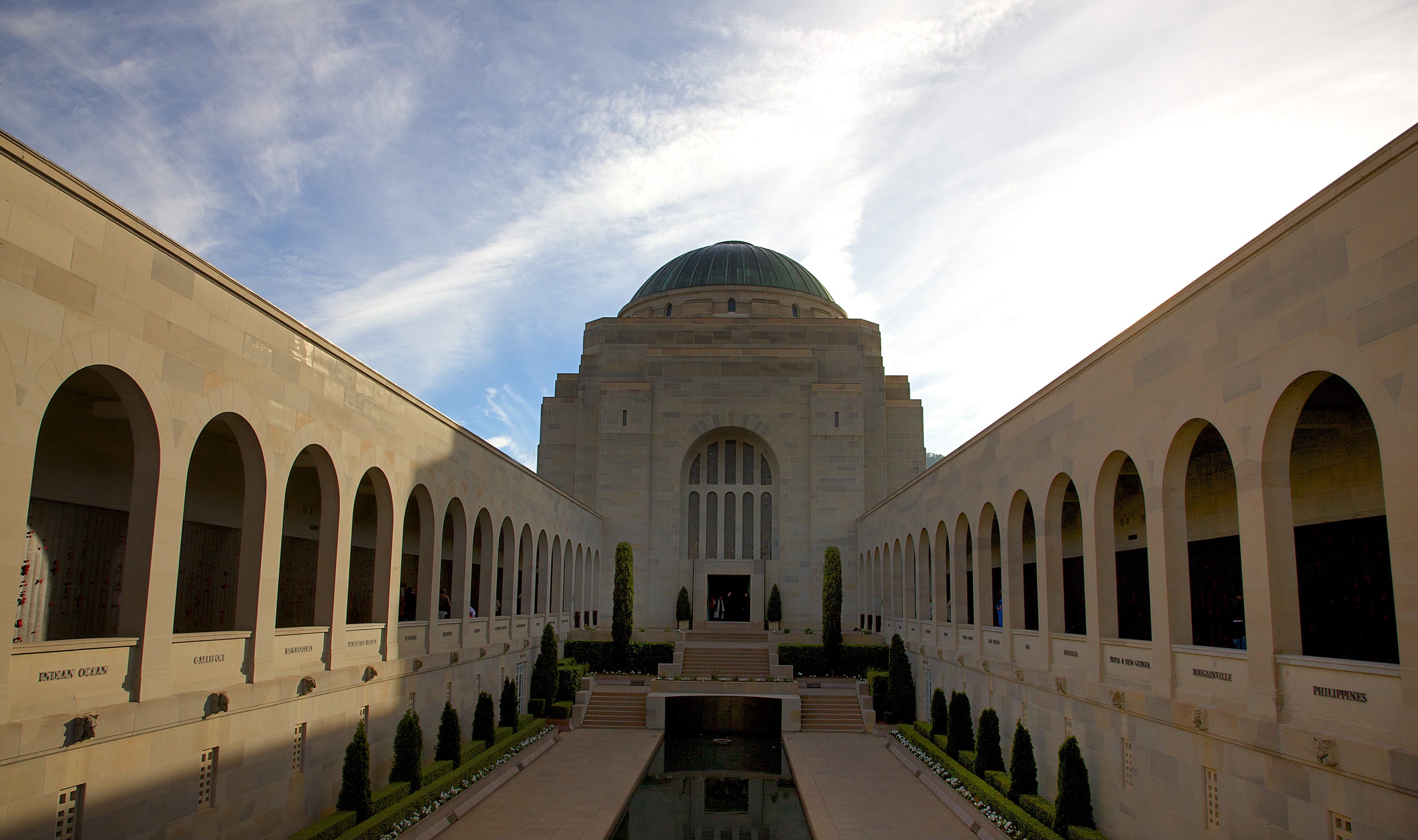
There can be no disagreement with the proposition that, after 1788, and especially during the periods of pastoral expansion, there was much conflict between the original inhabitants of Australia and the incoming British settlers. But that’s not actually what’s at issue today. What’s at issue is whether this frontier bloodshed should properly be described as a war, and whether its commemoration should take place at the Australian War Memorial.
My short answer is “no” and “no”—but neither answer is meant to minimise the hardships imposed upon the first Australians, nor to diminish the importance of Australia’s indigenous heritage. Modern Australia has an indigenous heritage, a British foundation, and an immigrant character. It’s the working out of these elements that’s shaped our national story and it’s their evolving relationship that builds the bonds that must exist between us all as Australians.
Thankfully, our country’s modern story is one of cooperation and partnership between Australians old and new, at least as much as it is one of division and conflict. Modern Australia’s first leader was instructed by the British government to “live in amity” with its native peoples. For his time, Governor Phillip was remarkably liberal and humane. When speared in the shoulder at Manly Cove in the search for Bennelong, he put it down to a misunderstanding and declined the show of punitive force that might have been expected at that time. For all the initial gulf between them, there seems to have been a genuine friendship between Phillip and Bennelong. And if Bennelong represented cooperation, between the Australia that was building and the Australia that was changing, while Pemulwuy represented conflict, it’s worth noting that Governor King described the outlaw warrior as a “brave and independent character” as well as a “terrible pest to the colony”
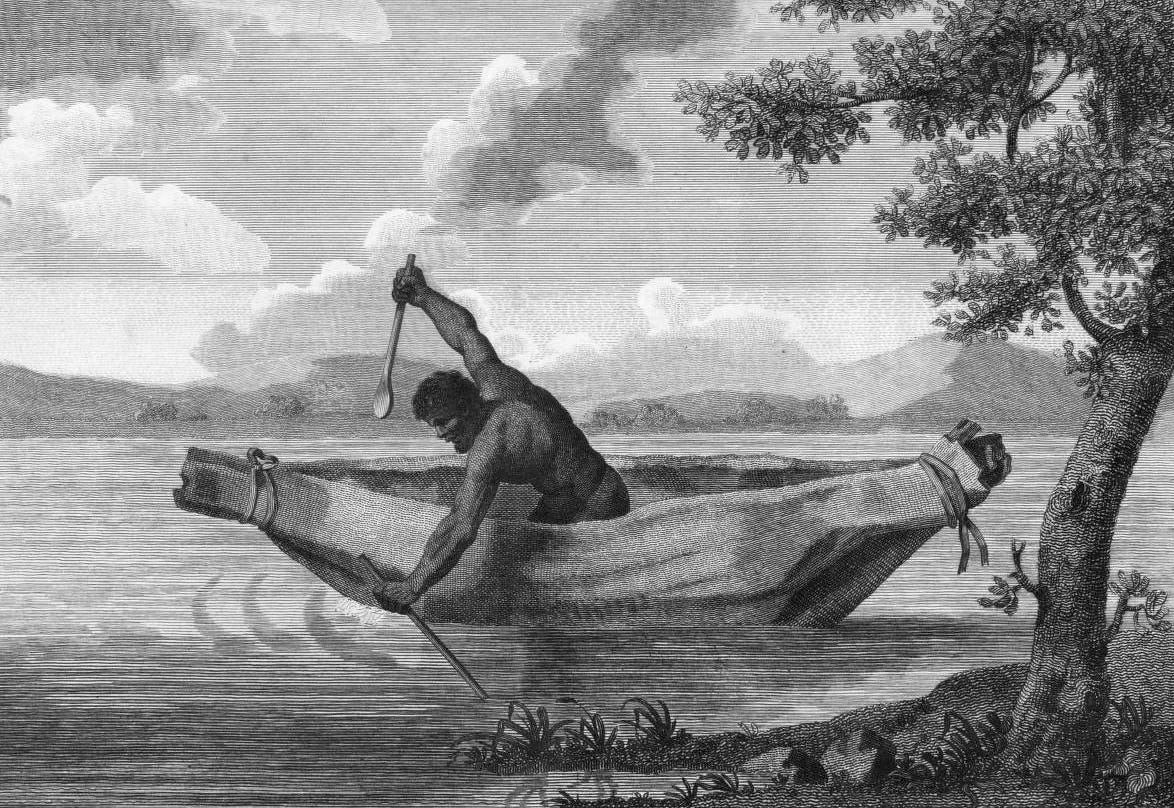
.It’s near-inconceivable that there would not have been conflict between nomadic hunters, on the one hand; and, on the other, settlers with herds, crops, houses and fences. It was to quell further disturbances against farms on the Hawkesbury, that Governor Macquarie ordered a column of troops to sweep the Cumberland Plain, resulting in the first recorded massacre, near Appin in 1816, in a probably unprovoked dawn attack on a camp site, that left over a dozen dead. But this was the same Macquarie who also instituted an annual feast for Aboriginal leaders, and established the Native Institution at Parramatta, whose most distinguished student was the daughter of Yarramundi, who went on to marry a convict and farm substantial properties in western Sydney.
Likewise at Hobart, largely peaceful coexistence only degenerated into fighting once the settlement went beyond housing convicts and hosting sealers to expansion into the interior. In the 1820s, Tasmania endured what were described, even then, as the “Black Wars”, with frequent attacks on isolated shepherds and homesteads, culminating in a declaration of martial law and the so-called “black line”, where some 2000 soldiers and settlers attempted to corral the resistance.
The historian Henry Reynolds says that the martial law declaration plus the scale of settler casualties—almost 200 dead in a population of scarcely 20,000; with perhaps three times as many Aboriginal deaths—justifies it being called a war. On the other hand, benign interactions continued, with the widow Sarah Birch intervening on at least two occasions to save the warrior Kickerterpoller from prison or execution. And Governor Arthur, along with most of the citizens of Hobart, received the remaining warriors with honour after the eventual truce.
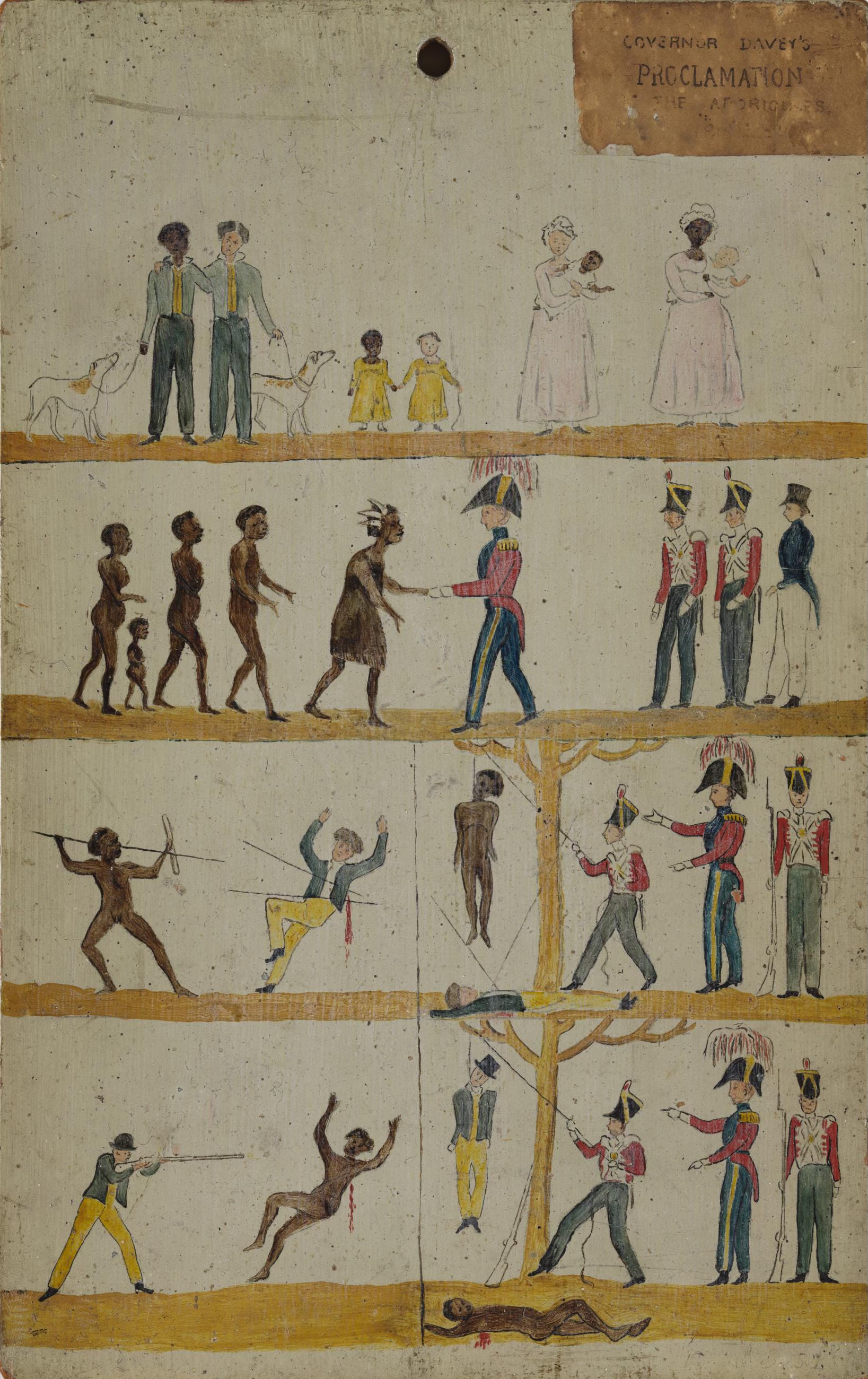
Although the colonial governors invariably stressed that Aboriginal people had all the rights of British subjects, often enough, on the frontiers of settlement, this was much more in theory than in practice. The most notorious atrocity took place at Myall Creek in northern NSW, where a party of stockmen murdered in cold blood up to 30 Aboriginal men, women and children. There was a sequel though. The perpetrators were put on trial; and after the first jury refused to convict there was a second trial with the new judge declaring it was an outrage crying out to heaven for justice. Against the weight of colonial opinion, seven white men were hanged for the murder of black people. In 1838.
This regrettably-rare show of British justice may have driven the worst of the violence underground. A decade on, near Grafton, a settler, Coutts, almost certainly killed some two dozen people with poisoned flour. He, too, was put on trial, but escaped conviction because the only witnesses were Aboriginal people, who were then regarded as incapable of testifying. And it was a further decade before this anomaly was fixed.
Perhaps the worst violence was in outback Queensland, where the native mounted police, largely recruited from distant parts, were deployed to “disperse” possibly hostile gatherings. In many cases, which seem to have been unrecorded as a matter of policy, this seems to have involved indiscriminate killing. In one of his early works, based on contemporary newspaper reports, Reynolds tallies close to 1000 settlers killed in north and central Queensland over some six decades to 1900 and speculates that perhaps 10,000 Aboriginal people would have been killed in retaliation.
The Massacre Map, that academics maintain at Newcastle University, claims that some 11,000 Aboriginal people were killed in more than 400 massacres around the country. Because much of this is based on subsequent oral history, it’s probably best described as an educated guess. Even so, in many parts of Australia, such as around Bathurst, in Gippsland, western Victoria, and the Kimberleys, the early years of settlement could be deadly for Aboriginal people who refused to embrace the new order.
What Reynolds calls “this whispering in our hearts”, settler disquiet at the gulf between humane theory and outback practice, eventually replaced dispersal with protection—but not before one last disgraceful episode, the Coniston massacre of 1928, when an attack on a stockman triggered the slaughter of perhaps 50 people; a slaughter subsequently whitewashed by an official enquiry. Remarkably, Senator Jacinta Price’s grandfather, who’d fled the massacre as a teenager, subsequently worked with the army during World War Two and then helped to found the Yuendumu mission.
If the undoubted violence of those much harsher times really constituted a war between two peoples, especially a genocidal one, it’s hard to explain the eagerness of Aboriginal men to join their fellow Australians in the First AIF. At least a thousand Aboriginal men talked their way past racial bans on recruitment, with up to 30 of them decorated for valour. Hundreds were killed in action, including a son of William Cooper, who cited these deaths for King and country in his bid for Aboriginal people’s full civic rights. It’s this Aboriginal contribution to Australia’s military campaigns, well before official discrimination ended, that has long been remembered and justly celebrated at the Australian War Memorial.
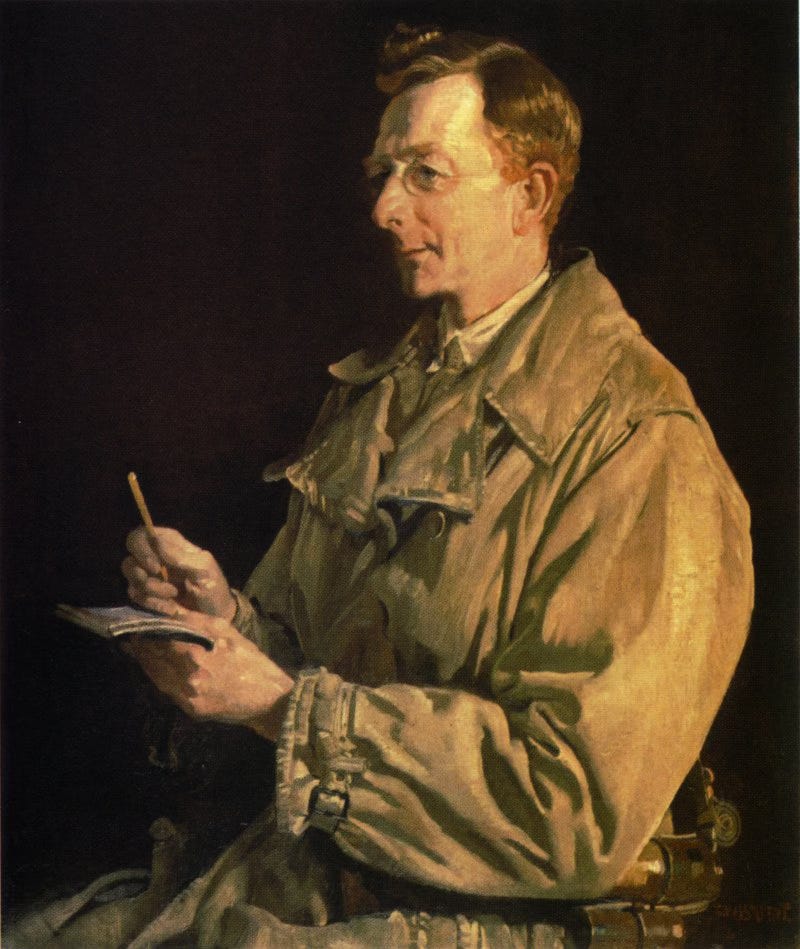
The War Memorial was the brainchild of Charles Bean, to honour the men whose exploits he’d chronicled, in the official history of the Great War. What these men did, he wrote, nothing now can alter: “the good, the bad, the greatness and smallness of their story will stand… It rises, as it will always rise, above the mists of ages, a monument to great-hearted men, and for their nation a possession forever”.
That’s been the role of the War Memorial ever since: to chronicle, to mourn, occasionally to admit and to explain, but above all to honour the deeds of the Australian armed forces, of the nation-in-uniform. It’s been intended as a place of unity and pride; rather than division and shame; a place to record and to commemorate what Australians have done together to defend our Commonwealth, to support our allies, and to uphold our values.
It’s never been intended as a place to note, other than perhaps in passing, the fights of some Australians against other Australians; and even then, say with the conscription debates, only in the context of our military campaigns. If the undoubted bloodshed between settlers and tribespeople is to be included, because the critics of colonialism now choose to characterise much of our history as a “war” between the British Empire and “first nations”, what about the fights between “first nations” which were frequent and often deadly. How could events such as the Eureka Stockade or even the apprehension of the Kelly gang be excluded, as at least they involved official direction, in a “war memorial” that would then have evolved from honouring our soldiers to questioning the character of the nation for which they fought?
Of course, it has to be accepted that we let ourselves down as a country, and betray our best ideals, when we fail to confront the whole story of our past. For instance, even though the subject matter of the Brereton Report is far from the whole story of our Afghanistan campaign, however contested, it is a part of it. So that’s a possible blot on our honour as a nation, that can’t be ignored, even in a place dedicated to the ideals of duty, service, and sacrifice.
And yes, for too long, the bloodstained frontier was amnesed from our history, in what WEH Stanner called the “great Australian silence”. Yet given near universal official goodwill, and the abundance of practical cooperation between people unknown and numberless over generations, the explorers who could not have traversed territory unseen by British eyes without Aboriginal guides, the settlers who could not have farmed without Aboriginal help, all the Australians from mission times to these who’ve dedicated their lives to Aboriginal advancement—given all this, the contemporary clamour about invasion and cultural genocide is a pendulum swing way too far.
In any event, given that none of the participants in any frontier “war” had Australian uniforms or the authorisation of an Australian government, the place to recall and to regret is not here; perhaps it’s at the Australian National Museum, or perhaps at a new wing of the National Centre for Indigenous Studies at the ANU as Henry Reynolds suggested recently. But not here.


Of course, Tongerlongeter is no less a part of our Australian story than Simpson with his donkey. Of course, we should admire the spirit with which he defended a doomed way of life. No less than the Anzac story, his belongs to all Australians, whether their ancestors have been here for tens of thousands of years, or whether they’ve just emerged from their citizenship ceremony.
The only question is: where should it be enshrined; and the answer should be: “further down the lake”.